When Childhood Becomes a Performance
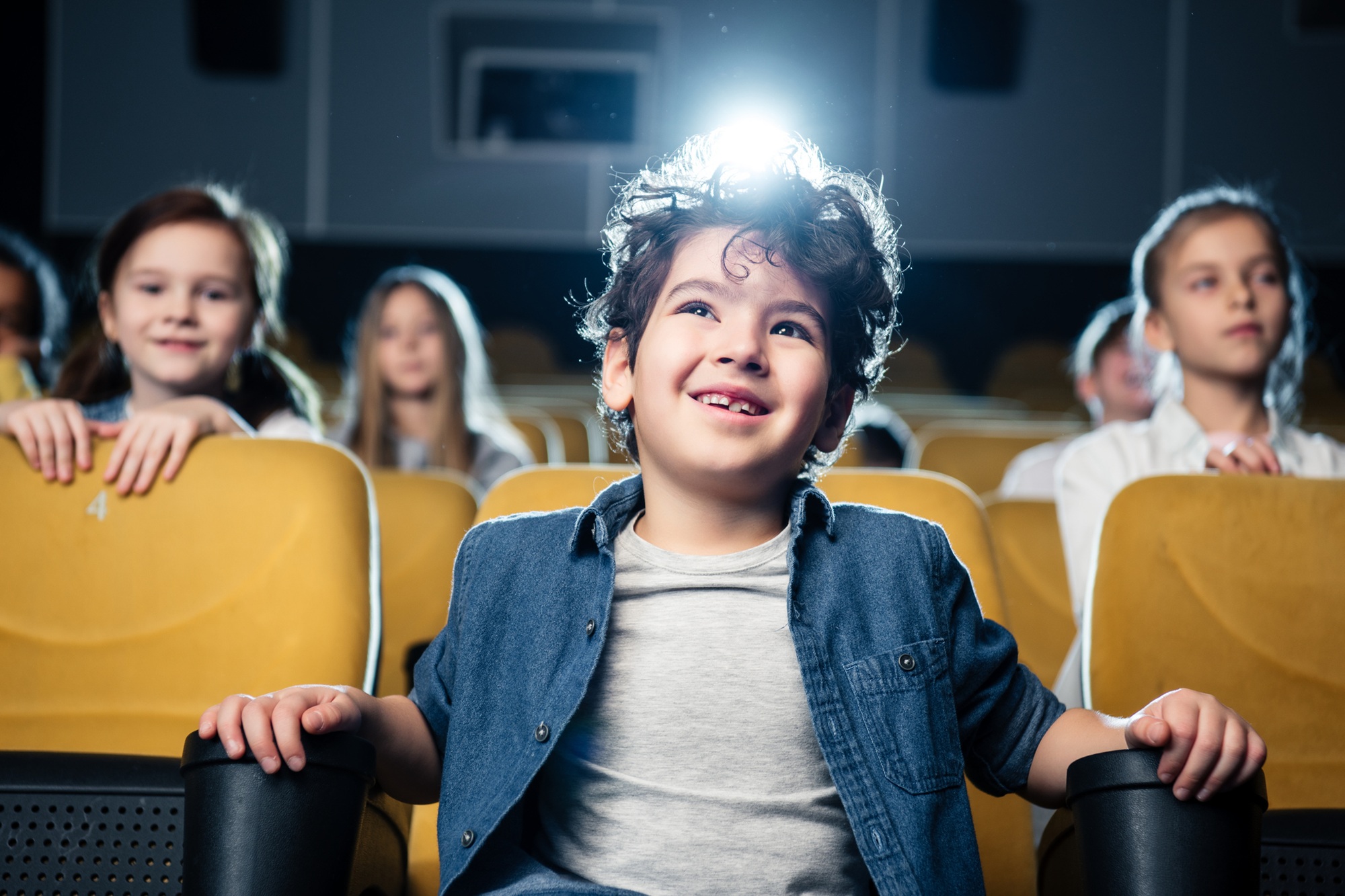
What happens when children are asked to appear grown before they have been allowed to grow
There is a quiet shift happening in childhood today, one that many adults applaud without stopping to ask what it costs. We celebrate children who move through the world with adult polish, adult expectations, and adult responsibilities. We call them “mature,” “talented,” “ahead of their time.” We marvel at their poise. Beneath the applause is a harder truth: we are increasingly asking children to live adult lives before they have lived a full childhood.
This is not about one child or one family. It is a cultural pattern that stretches across celebrity households, social media families, competitive sports, child influencers, and everyday homes where children absorb the subtle pressure to perform adulthood rather than grow at a child’s natural pace. And it deserves a closer look.
The Rise of the Public Child
One of the least examined shifts in modern childhood is the rise of the public child. Increasingly, children grow up in a world where their lives are documented, shared, and interpreted in real time, often before they have the language to consent or the developmental capacity to understand what “public” even means.
What was once private, a child’s milestones, struggles, quirks, and vulnerabilities, now easily becomes content. A child can be seen, discussed, and evaluated by people they will never meet. Over time, this changes the way adults see them. Childhood begins to be filtered through audience expectations: polished, engaging, emotionally tidy.
The messy, nonlinear, developmentally normal parts of childhood, big feelings, slow learning curves, dependency, awkwardness, mistakes, become harder to tolerate when adults imagine an audience watching. This is one of the hidden dangers of public childhood: visibility becomes expectation, and expectation becomes identity.
Children lose the right to be unfinished. They lose the right to try, fail, retreat, or change quietly. The private space where development is meant to unfold begins to collapse under the gaze of adults, institutions, or invisible audiences. And even children who never asked for the spotlight are pulled into it by the gravity of adult worlds.
The Adultification Trap
Adultification begins when adults stop seeing a child as a child and start seeing them as someone who should already know better, cope better, or carry more than their age allows. Sometimes this happens because a child is especially articulate, composed, or competent in one area. Sometimes it happens because a child has learned to stay quiet under pressure. Sometimes it looks like praise. A child is described as “so mature,” “so strong,” or “wise beyond their years,” and what sounds like admiration becomes a withdrawal of protection. The problem is not in the child. It is in the adult lens.
When adults overestimate a child’s emotional or cognitive capacity, they offer less scaffolding, less patience, and less room for developmental struggle. A child who melts down is treated as dramatic rather than overwhelmed. A child who hesitates is labeled difficult rather than unsure. A child who withdraws is read as independent rather than unsupported. What looks like maturity is often a child adapting to the absence of protection. Once a child is seen this way, the process becomes self‑reinforcing. The more they are treated as older, the more they learn to hide vulnerability. The more they hide vulnerability, the more adults assume they no longer need care.
Adultification does not always come from cruelty. Sometimes it grows from pride, love, opportunity, or pressure. But the impact is the same: the child’s inner world shrinks while the world’s expectations expand.
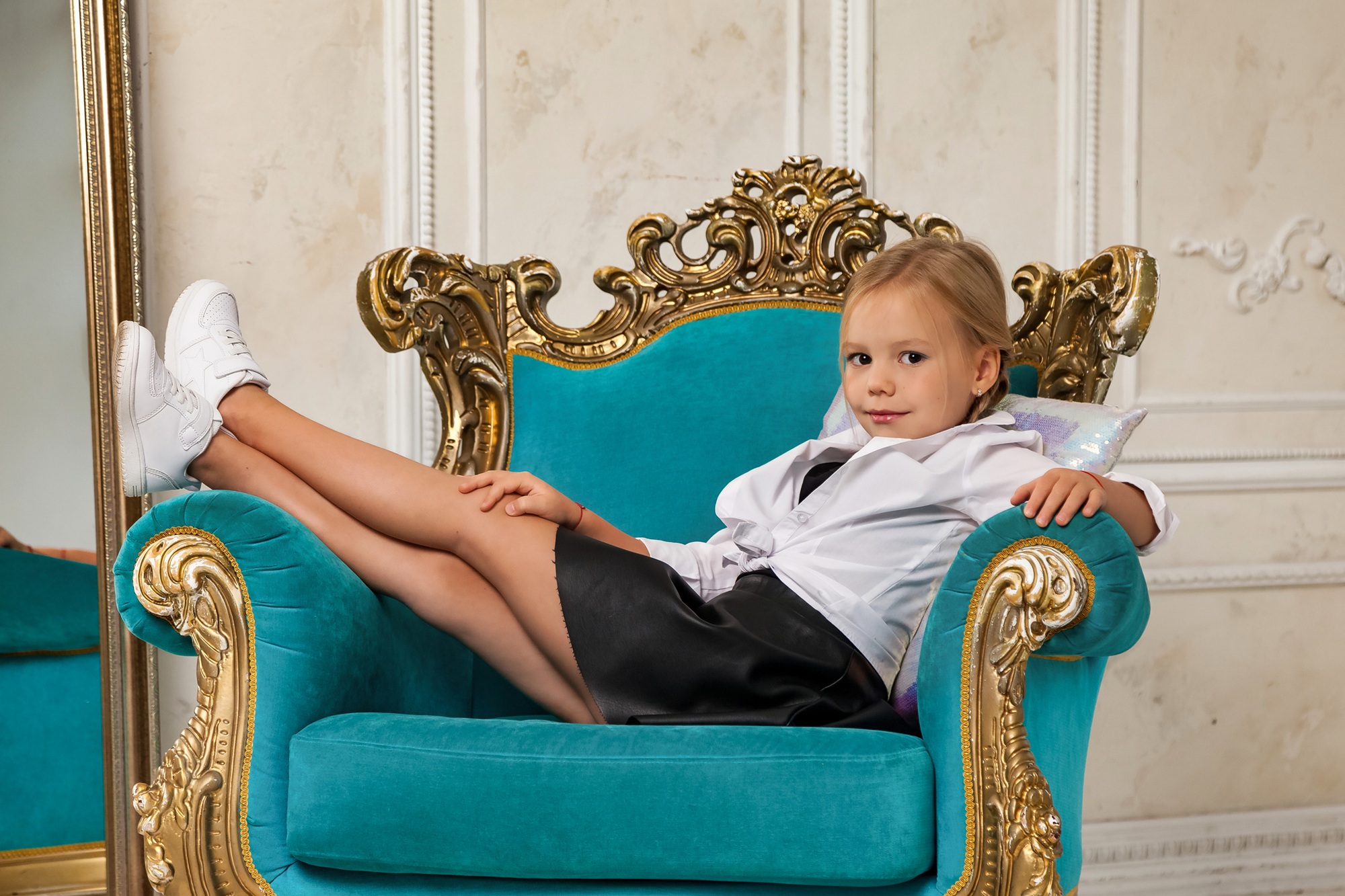
Children Are Not Extensions of Us
Children are not vessels for adult dreams, mirrors for adult insecurities, or proof of adult worthiness. They are not here to continue an adult story. They arrive as separate, developing selves, with their own temperaments, rhythms, interests, and inner lives. When adults begin to treat children as extensions of themselves, something subtle but serious happens. The child’s identity becomes crowded by adult need. Their value is measured by how well they reflect, represent, or reassure the adults around them.
A child who senses that approval depends on performance learns to prioritize compliance over curiosity, image over authenticity, and steadiness over honesty. They begin to organize themselves around how they are received rather than who they are becoming. This can happen loudly, through overt control and pressure. But it can also happen quietly, through pride, projection, and the desire to share, shape, or display a child’s life before the child has had room to inhabit it for themselves. To honor a child’s separateness is to practice humility. It is to remember that our role is not to author their identity, but to accompany them while it unfolds.
A child’s life is not a continuation of an adult’s story.
A child’s milestones are not content.
A child’s identity is not a platform for adult dreams.
When we forget this, even unintentionally, childhood begins to tilt toward performance instead of protection.
The Hidden Emotional Cost
The emotional cost of this shift is not always loud. It does not always show up as crisis, rebellion, or obvious distress. More often, it shows up quietly, in the child who learns to swallow needs, mute feelings, or perform steadiness they do not actually feel.
When children are treated as older than they are, they internalize powerful messages: your needs are too much, your softness is inconvenient, your distress should be managed privately. These children often become experts at reading the room. They sense adult moods quickly. They adjust themselves before being asked. They become helpful, composed, watchful. From the outside, this can look like resilience. But inside, it is often exhaustion.
A child who is praised for coping too well may simply be learning that vulnerability is unsafe. Over time, this affects relationships too. Children who are treated as adults too soon struggle to believe that others will care for them, without being asked. They can become fiercely self‑reliant, not because they are secure, but because needing comfort has begun to feel risky.
This is the cost we rarely name: the child who looks fine but is carrying more than their nervous system was built to hold. The child who learns to stay small so adults can stay comfortable. The child becomes impressed, before they have ever been allowed to feel held. The world sees confidence. But many of these children quietly carry fatigue.
What Children Actually Need
What children need is far simpler, and far more profound, than modern culture often imagines. They need predictability, attuned relationships, time to play, and the freedom to be dependent without shame.
They need adults who are emotionally available, not just observant. They need protection from stress that exceeds what their developing nervous systems can hold. They need enough slowness to explore, enough safety to make mistakes, and enough margin to remain unfinished. Children also need play, not as enrichment or reward, but as development itself. Play is how children test language, rehearse relationships, process emotion, and build flexibility. When performance replaces play, children may still appear successful, but an essential part of development is interrupted. And children need what adults are often least willing to protect: dependence.
Not permanent dependence, but the ordinary, age‑appropriate dependence that allows a child to reach outward without shame. The right to need comfort. The right to not know. The right to arrive slowly.
Childhood is not practice for real life. It is real life.
A Culture That Protects Childhood
A culture protects childhood when it treats a child’s inner world as something worth guarding, not rushing, not monetizing, not projecting adult expectations onto.
This protection is not sentimental. It is structural. It shows up when schools understand behavior developmentally rather than punitively. When parents resist turning children into symbolic extensions of adult identity. When communities preserve privacy, play, and slowness. When children are allowed to be known without being publicly consumed.
A culture that protects childhood does not ask children to prove their worth through polish, productivity, or premature self‑management. It recognizes that dependence, experimentation, and emotional unevenness are not failures of development — they are part of it. When societies buffer children from adult pressures, children are more likely to develop a stable sense of self, deeper belonging, and healthier long‑term emotional regulation. When they do not, children may learn how to survive — but not necessarily how to flourish.
This is the world The Children’s Planner advocates for: a world where children are not asked to carry adult expectations on small shoulders.
A Final Thought
When a child appears polished, poised, or beyond their years, the world applauds.
But the real question is quieter: Are we seeing the child — or only the version of the child that performs well in adult spaces?
Protecting childhood means giving children the freedom to be fully human, not perfectly impressive. It means choosing their inner world over the world’s gaze. It means remembering that childhood is not a brand, a storyline, or a public asset.
It is a season that deserves privacy.
A season that deserves protection.
A season that deserves to remain unfinished.
Childhood is not something children must earn by being easy to admire. It is a right.
Quiet Note:
This essay is informed by developmental psychology, childhood studies, and research on attachment, stress, play, digital childhood, and adultification.
This essay is part of the Parenting in the Margins section of The Children’s Planner, which explores how children grow, adapt, and are understood within the conditions families navigate every day.