Childhood Is Built in Ordinary Moments
Childhood Is Not a Checklist
Childhood is not a series of achievements. It is not a timeline of milestones or a highlight reel of defining events.
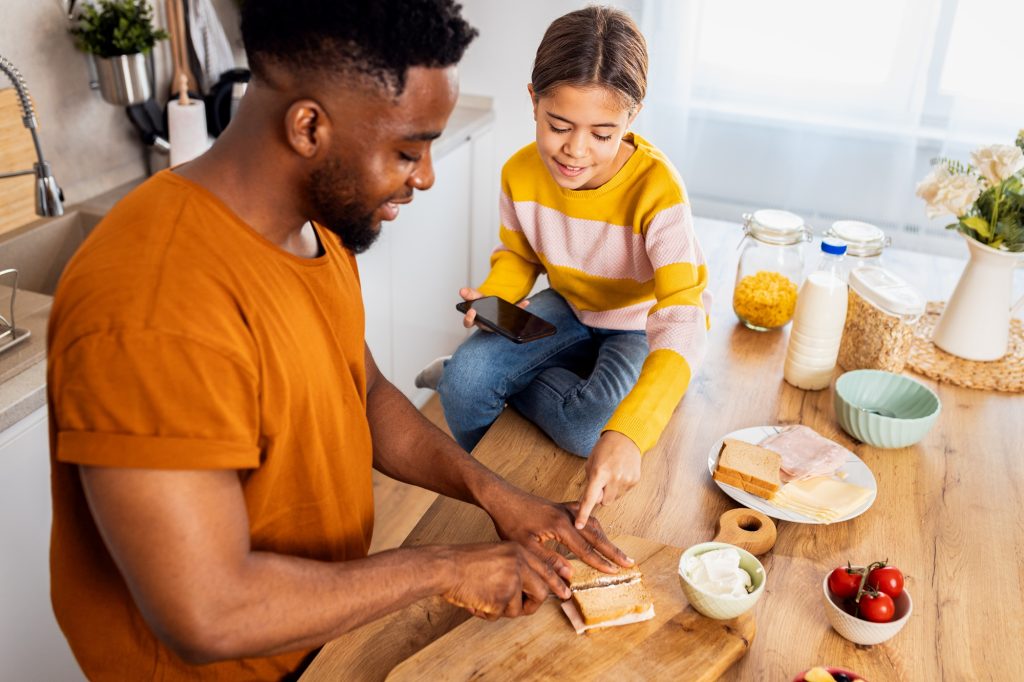
Children build their childhoods quietly—in kitchens, bedrooms, sidewalks, and living rooms—through moments that don’t look important at first.
Packing lunches.
>Folding laundry together.
>Reading the same book again.
>Sitting nearby while a child draws, thinks, or says nothing at all.
These moments feel ordinary while they are happening. Over time, they become the structure children grow inside.
The Myth of “Big Moments”
Modern parenting culture emphasizes big moments: firsts, accomplishments, visible progress. Social media reinforces this by rewarding narratives that are clear, impressive, and easily shared.
But most of childhood does not happen in those moments.
It happens in repetition.
In routine.
In the small, unremarkable acts that tell a child: this is where you belong.
When we focus only on big moments, we miss the environment that makes them possible.
Everyday Life Is a Form of Care
Everyday life is not the backdrop to childhood—it is the work of childhood.
Daily routines teach children:
- whether adults are predictable
- whether people notice their needs
- whether they have permission to rest
- whether mistakes are safe
These lessons are not spoken. They are experienced.
A calm morning—even an imperfect one—teaches more than a flawless schedule. Sitting together without productivity teaches safety in ways no explanation can.
Ordinary Moments and Regulation
For many children, especially those who are neurodivergent or sensitive, ordinary moments are regulating.
Repetition reduces cognitive load.
Predictability reduces anxiety.
Presence reduces the need for performance.
Children do not need every moment to be optimized. They need enough sameness to feel oriented in their own lives.
Different Childhoods, Shared Foundations
Not all families move through life at the same pace. Some days are structured. Others are chaotic. Some households are loud. Others are quiet.
What matters is not uniformity. It is continuity.
Children deserve to live without constant evaluation, and to experience ordinary life without pressure to improve or compare.
Why This Site Begins Here
The site starts with ordinary moments because that is where childhood actually lives.
Before systems, services and labels and plans.
There is daily life.
Understanding childhood starts with noticing those moments—not to optimize them, but to respect them.
Recommended Reading
What Children Learn from the Spaces They Live In